
When a family member passes or a property needs to be cleared before a sale, handling an estate cleanout in Manhattan can feel like staring down an impossible task, especially in a city where space is tight, buildings have strict rules, and emotions are already running high. The good news is that knowing what to expect before the process begins makes a significant difference. Here’s a straight-talking guide to what actually happens, what surprises people most, and how to get through it without losing your mind.

The Sheer Volume Will Catch You Off Guard
Most people underestimate how much stuff accumulates over a lifetime, or even over a few years in a New York apartment. What looks like a manageable one-bedroom can hide decades of furniture, clothing, kitchenware, paperwork, and personal items tucked into every closet, cabinet, and corner. Add a storage unit into the mix, and the scope doubles overnight.
Before anything gets hauled away, it’s worth doing a quick walk-through with a clear head. Separate what has sentimental value, what might be worth selling or donating, and what is simply ready to go. This isn’t just about being sentimental, it’s practical. A professional crew can move faster and charge less when there’s a clear plan in place. If you want a detailed checklist to guide that walk-through, this guide on how to prepare for a successful estate cleanout in Manhattan lays it out step by step.
One thing that often surprises families: large furniture pieces, old sofas, wardrobes, bed frames, can be the most logistically complicated items to remove in Manhattan buildings. Narrow hallways, small elevators, and strict building management policies mean that what should take twenty minutes can take much longer without experienced hands on the job.
Manhattan Buildings Play by Their Own Rules
This is where clearing out a property in New York is genuinely different from doing the same thing in a suburb or a smaller city. Co-op and condo boards often require advance notice before any large removal takes place. Some buildings mandate a certificate of insurance from the removal company before they’ll even allow a truck to park at the service entrance. Others have designated move-out hours that are frustratingly narrow, no work before 9 a.m., nothing after 5 p.m., and absolutely nothing on Sundays.
A removal company that doesn’t know these rules will cost you time, money, and goodwill with building management. The team at Junk Removal Manhattan works in these buildings regularly and understands the protocols that come with them, from Upper West Side pre-war walk-ups to newer high-rises in Hudson Yards. That familiarity matters more than most people realize when they’re booking a crew.
If the property is a house rather than an apartment, which does happen in neighborhoods like Inwood or parts of Washington Heights, the logistical picture changes, but the volume challenge usually doesn’t.
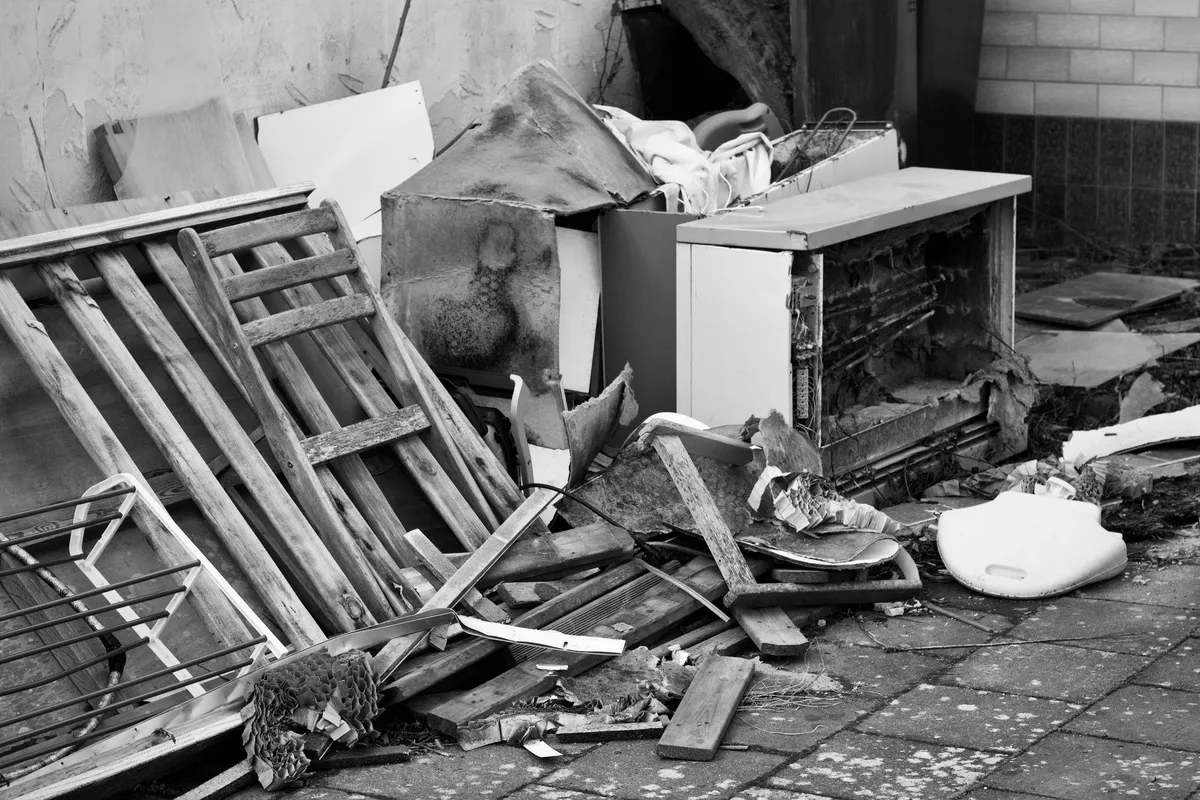
Not Everything Should Go in the Dumpster
One of the biggest mistakes families make during a property cleanout is treating everything as trash. That’s understandable when you’re grieving or under a deadline, but it can mean leaving real value on the table, or worse, sending items to a landfill that could have been donated or repurposed.
Furniture in decent condition can often be donated to local organizations across the five boroughs. Clothing, books, and small appliances frequently find second lives through donation centers or community groups. Even old electronics, while not sellable, need to be disposed of responsibly rather than tossed in with general junk, New York has specific rules about e-waste.
A good removal crew will flag items that can be donated rather than dumped. Many families who’ve gone through this process later say they were grateful someone pointed out what could be salvaged. It’s a small thing, but it matters, both for the environment and for the peace of mind that comes from knowing a loved one’s belongings were treated with some care.
If the property also has large appliances that need to go, old refrigerators, washers, or stoves, those require separate handling. This piece on why appliance removal in Manhattan is essential explains exactly why you can’t just drag them to the curb and call it done.
Timing and Emotional Readiness Matter More Than You Think
There’s no perfect time to clear out a loved one’s home, but there are smarter times. Estate attorneys and real estate agents often push for quick turnarounds, especially if a property is being sold or a lease needs to end. That pressure is real. Still, rushing into a full cleanout before the family has had a chance to go through personal items can create regret that lasts far longer than any lease deadline.
A reasonable middle ground: give yourself one focused weekend to go through the truly personal items, photos, documents, heirlooms, before the removal crew arrives. Then let the professionals handle the rest efficiently. Most experienced crews can clear an entire Manhattan apartment in a single day once the family has done that initial pass.
Clients who’ve worked with junk removal services in Manhattan for this kind of work often describe the experience as a relief, not because it was easy emotionally, but because having capable people handle the physical labor freed them up to focus on what actually needed their attention. That’s the real value of hiring the right team: not just the muscle, but the peace of mind that comes with it.
Whatever your timeline looks like, going in with realistic expectations, about volume, building rules, what can be donated, and your own emotional bandwidth, will make the entire process significantly more manageable.
Frequently Asked Questions
Do I need to notify my co-op or condo board before scheduling a property cleanout?
Yes, and skipping that step can get your crew turned away at the door. Many Manhattan buildings require advance notice before any large removal, and some won’t allow a truck near the service entrance until the removal company provides a certificate of insurance. Buildings also tend to have strict removal hours, often no earlier than 9 a.m. and no later than 5 p.m., with Sundays off the table entirely.
How long does it actually take to clear out a full Manhattan apartment?
An experienced crew can typically clear an entire apartment in a single day, but that assumes the family has already done an initial pass through personal items like photos, documents, and anything with sentimental or financial value. If that sorting hasn’t happened yet, the job takes longer and usually costs more, since the crew has to slow down and work around undecided items. Doing one focused weekend of personal sorting before the crew arrives is the most practical way to keep the job on track.
What happens to furniture and other items that are still in decent shape, does it all go to a landfill?
Not if the removal company is doing its job right. Furniture in reasonable condition can often be donated to local organizations across the five boroughs, and clothing, books, and small appliances frequently find second lives through donation centers or community groups. A good crew will flag those items rather than just throwing everything in the same pile.
Can old electronics and large appliances just be tossed out with the rest of the junk?
No, New York has specific rules about e-waste, so old electronics need to be disposed of separately rather than mixed in with general junk. Large appliances like refrigerators, washers, and stoves also require separate handling and can’t simply be dragged to the curb. If you’re not sure how those items get handled, ask the removal company directly before they show up.
Is it a problem if the property is a house in a neighborhood like Inwood rather than a typical Manhattan apartment?
The logistics shift a bit, there’s no building management to deal with and no narrow elevator to wrestle furniture through, but the volume challenge tends to stay the same or get bigger. Houses often hold just as much accumulated stuff as apartments, sometimes more, so the planning and sorting steps described for apartments still apply. The main difference is that access and parking are usually less complicated.